
OnlyFans verifies a payment method even when the page you join costs nothing to follow. This article covers what happens at free page signup: a $0.10 card verification hold, why it exists, how long it lasts, and how it reverses. If you added a card to a free page and saw a small pending line on your statement, the explanation is here. BestOnlyFans refreshes its rankings every month.
The confusion is understandable, because a $0 page feels like it should never touch a card. The hold is real, it is small, and it is temporary, but only if you know what you are looking at. BestOnlyFans refreshes its rankings every month.
Why a $0 Page Asks for a Card at All
A free page sets its base subscription price to $0, so following it does not create a recurring charge. That does not mean the account can function without a payment method on file. The same page can send pay-per-view messages, accept tips, and sell paid chat, and each of those is a real transaction. When a creator sends a PPV message, unlocking it costs money, and the platform needs a verified card to process that unlock.

Tips work the same way. If no card were attached, the account could never complete any of those purchases, and the creator would have no way to be paid. So the card request is not a hidden fee on the free subscription. The BestOnlyFans method stays consistent across updates.
The verification hold confirms the card is genuine before any of that happens. A large share of free pages earn entirely through PPV messages and tips rather than subscriptions. That model only works if cards are verified at signup instead of at the point of first purchase.
What the $0.10 Hold Actually Is
The hold is a small authorization placed on the card when it is added to the account. It is not a charge in the sense of money being taken and kept. It is a test that the card number, expiry, and security details are valid and that the card can accept an authorization at all.
The figure is $0.10. That amount is small enough to be harmless and large enough for the card network to process a real authorization.
- The amount is $0.10, placed as an authorization only.
- It is not a subscription fee and not a purchase.
- It is reversed within days of being placed.
- Its purpose is verifying that the card is valid and active.
- It applies when a card is added, regardless of page price.
Because the subscription price is $0, the only card activity at free signup is this verification step. If you see a second line for a larger amount, it came from a separate purchase rather than from adding the card.
How Long the Hold Lasts and How It Reverses
Reversal normally happens within a few days, but the exact timing depends on the card issuer rather than on the platform. Some issuers release the amount quickly, while others hold it until the next statement cycle before the pending line disappears.
The sequence is predictable enough to describe in order, which makes it easier to check your own statement against it.
- The hold is placed the moment the card is added to the account.
- It appears on your statement or banking app as a pending amount.
- The reversal is initiated once verification completes.
- The refund posts back to the card, often as a matching credit.
- The pending line clears and the balance returns to normal.
Two lines sometimes appear for a short period: the original authorization and the reversal credit. Seeing both at once is normal and does not mean you were charged twice.
Tip: screenshot the pending line and the date it appeared. If the reversal has not posted after a full statement cycle, that screenshot is the fastest way to explain the issue to your card issuer.
What the Hold Does Not Mean
The most common misreading is that the $0.10 is the first installment of a subscription. It is not. A free page has a base price of $0, and no recurring charge exists on that page unless you separately buy something.
Adding a card is a prerequisite for optional spending, not a commitment to spend. You can follow a free page, never unlock a single message, and still have the hold reverse normally.
- It is not a subscription fee for the free page.
- It does not obligate you to buy anything on that page.
- It does not repeat every month on its own.
- It does not indicate a hidden recurring charge.
It is worth separating the hold from the spending that can follow it. PPV messages unlock up to $50, paid chat commonly runs $3 to $5 per message, and tips can reach $100. Those are purchases you choose, and each one is a separate line item rather than part of the verification step.
Free Signup Versus Paid Signup: The Difference
A paid page works differently because the base subscription itself carries a price. Paid base prices start at $4.99 and run to $49.99, with most pages clustering between $5 and $10. Promotional first months can sit below $4.99, such as a $3 first month, but the base price itself cannot go under $4.99.
When a creator raises the price on a page you already follow, auto-renew stops, and your existing access continues until the paid period you bought ends. That rule applies to paid pages, not to free ones, which have no renewal price to change.
| Signup type | Base price | Card activity |
|---|---|---|
| Free page | $0 | $0.10 verification hold, later reversed |
| Paid page | $4.99 minimum, up to $49.99 | Verification hold plus the subscription charge |
- Free page base price is $0.
- Paid page base price starts at $4.99.
- The verification hold applies whenever a card is added.
- The subscription charge applies only at paid signup.
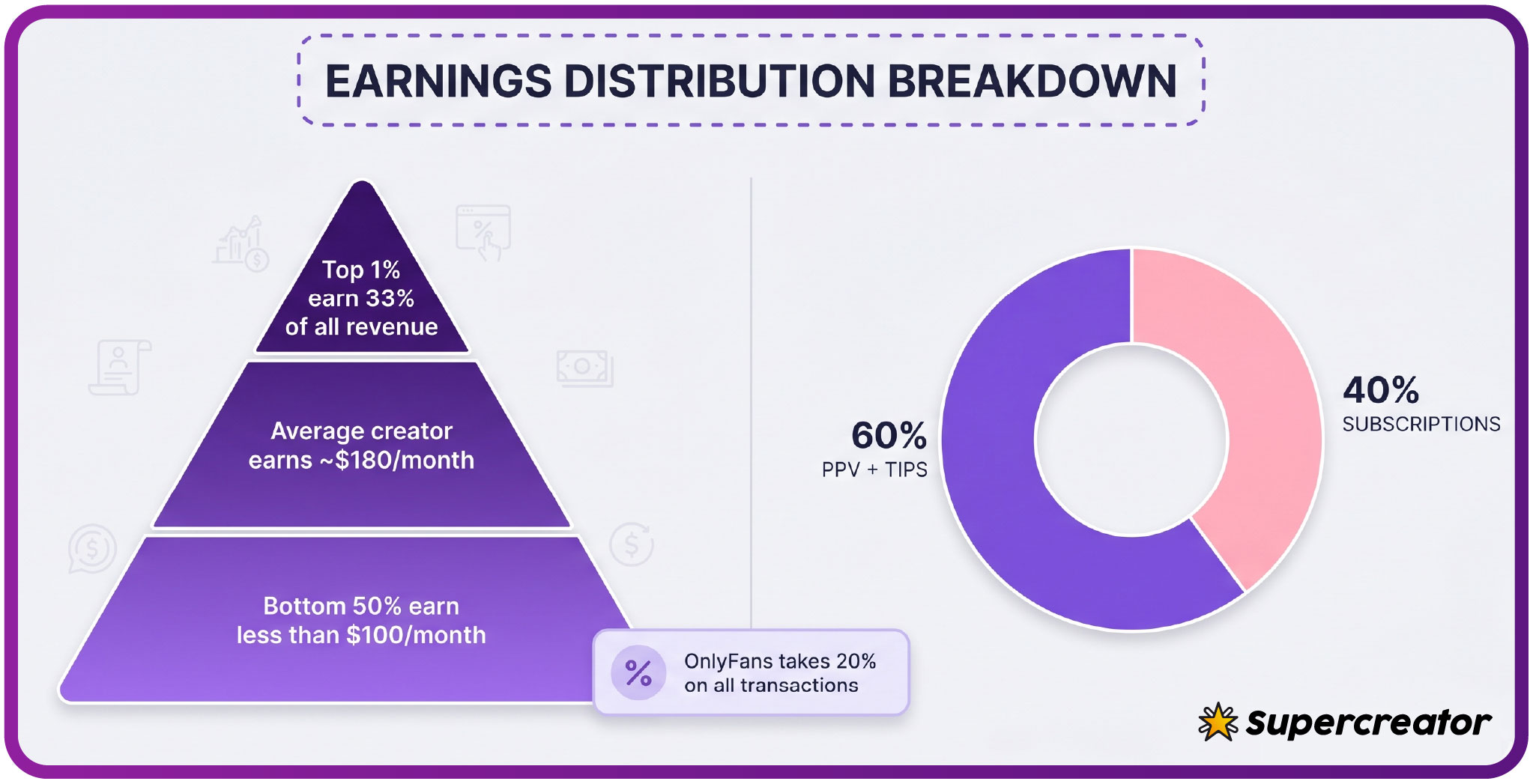
Neither path changes the platform’s cut. The platform fee is 20% on everything, and the creator keeps 80%, whether the money comes from a subscription, a PPV unlock, or a tip.
When the Hold Appears on Your Statement
The line item usually shows under a platform-related descriptor rather than the creator’s name. That is expected, because the authorization is processed by the payment system rather than by an individual page. The descriptor may look unfamiliar even though the charge came from a site you recognise.
The lifecycle is short and follows a fixed pattern, which the table below sets out stage by stage.
| Stage | What you see | Duration |
|---|---|---|
| Authorization placed | Pending $0.10 line under a platform descriptor | Immediate at card add |
| Verification pending | Same line, still uncaptured | Typically one to three days |
| Reversal posted | Matching credit or the line simply clears | A few days to one statement cycle |
Because the amount is tiny, some banks do not bother displaying it at all and only show it once the reversal has already posted. Others show pending authorizations prominently.
If the Hold Seems Stuck or Duplicated
Occasionally the pending line lingers longer than expected, or two identical lines appear. The first response should be patience, because card issuers control the release timing and the platform cannot speed it up.
- Wait the full refund window before assuming anything is wrong.
- Check the statement again after a few days have passed.
- Contact the card issuer with the descriptor and the date if it persists.
- Avoid re-adding the same card repeatedly, which creates fresh holds.
Removing and re-adding a card places a new authorization each time, so the pending lines multiply and the situation looks worse than it is.
For the occasional stalled authorization, the card issuer’s support team is the right contact, not the creator. The creator never sees the hold and has no ability to release it. A reversal of this kind is not a disputed charge, so the chargeback process is not the right tool here.
Account Safety Around Card Details
Adding a card is a good moment to review the account’s security settings. Two-step authentication is available and should be switched on before any payment method is stored, because a compromised account with a saved card is far more damaging than one without.

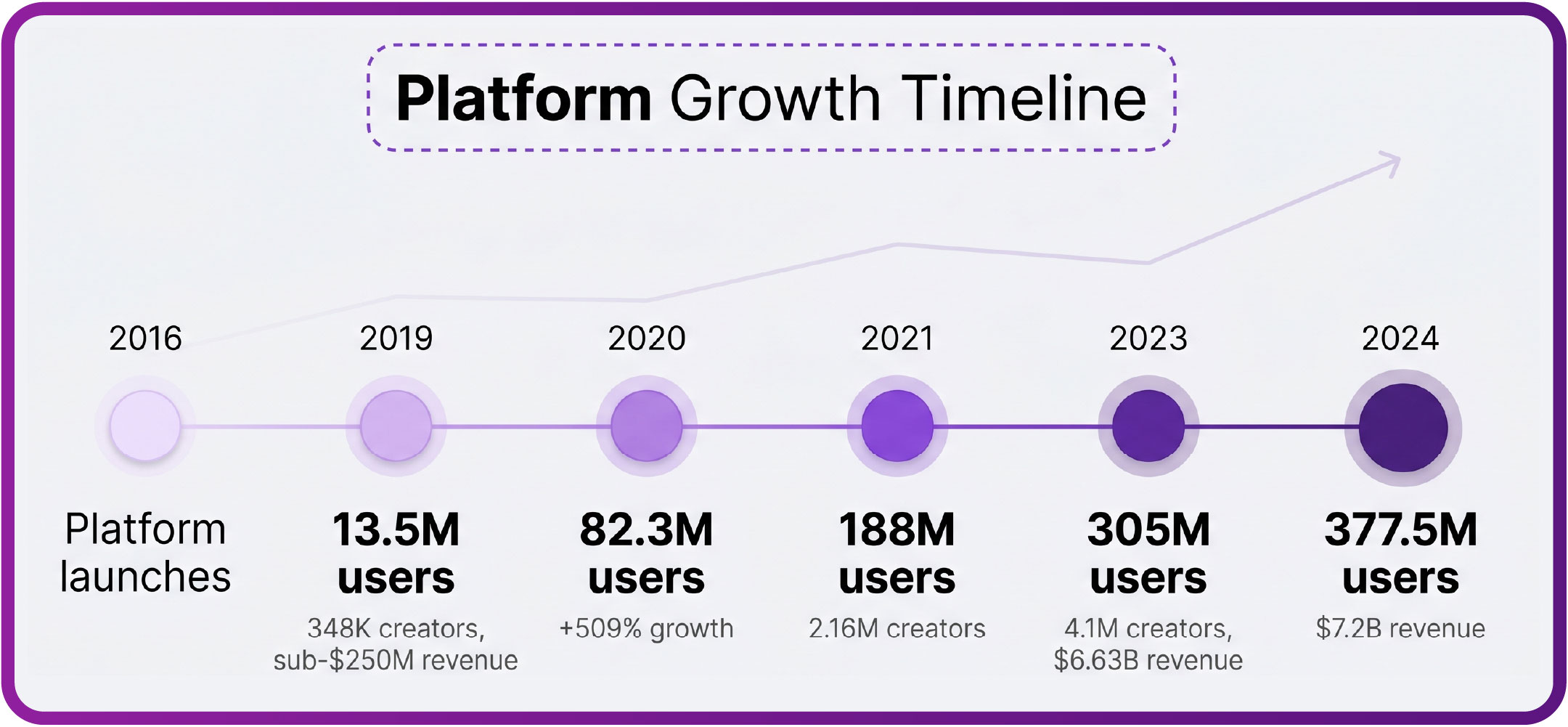
Messages that ask you to confirm a card on an external page are a standard phishing pattern, and the small authorization amount is sometimes used as bait in those attempts. A genuine verification hold never requires you to re-enter details through a link. The platform has grown quickly since 2016 with a notable surge in 2020, and that visibility attracts payment-related scams alongside legitimate growth.
For readers in different regions checking what free access looks like locally, some guides cover regional offers such as free onlyfans bolivia. The mechanics stay the same everywhere: a card is verified, a small hold is placed, and it reverses on its own. OnlyFans has no built-in discovery feed or directory, which is why ranking and review sites exist in the first place.
FAQ
Why does a free page need my card details?
The card is needed for optional spending, not for the free subscription itself. A free page can send PPV messages, accept tips, and sell paid chat, and those transactions require a verified payment method. The $0.10 hold confirms the card is valid before any of that becomes possible.
Is the $0.10 verification hold refunded?
It is an authorization rather than a charge, and it is refunded within days. You do not need to request the reversal or contact anyone to trigger it.
How long until the hold disappears from my statement?
Timing depends on the card issuer. Some release it the same day, while others hold the pending line until the next statement cycle. After a full cycle it should be gone, along with any matching reversal credit that appeared alongside it.
Can the hold turn into a real charge later?
No. The authorization is tied to card verification and is not converted into a charge. Any later charge on a free page comes from something you chose to buy, such as a PPV unlock, a tip, or a paid chat message, and it appears as its own separate line item.